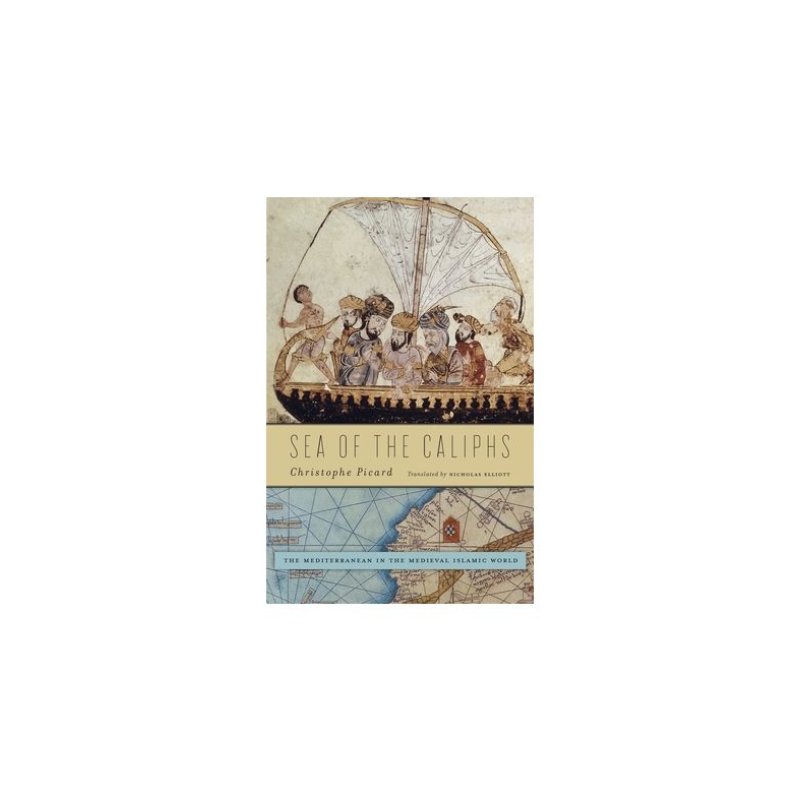
Sea of the Caliphs: The Mediterranean in the Medieval Islamic World
... les gens regardent ça en ce moment
“How could I allow my soldiers to sail on this disloyal and cruel sea?” These words, attributed to the most powerful caliph of medieval Islam, Umar Ibn al-Khattab (634-644), have led to a misunderstanding in the West about the importance of the Mediterranean to early Islam. This body of water, known in Late Antiquity as the Sea of the Romans, was critical to establishing the kingdom of the caliphs and for introducing the new religion to Europe and Africa. Over time, it also became a pathway to commercial and political dominion, indispensable to the prosperity and influence of the Islamic world. Sea of the Caliphs returns Muslim sailors to their place of prominence in the history of the Islamic caliphate.As early as the seventh century, Muslim sailors competed with Greek and Latin seamen for control of this far-flung route of passage. Christophe Picard recreates these adventures as they were communicated to admiring Muslims by their rulers. After the Arab conquest of southern Europe and North Africa, Muslims began to speak of the Mediterranean in their strategic visions, business practices, and notions of nature and the state. Jurists and ideologues conceived of the sea as a conduit for jihad, even as Muslims’ maritime trade with Latin, Byzantine, and Berber societies increased.In the thirteenth century, Christian powers took over Mediterranean trade routes, but by that time a Muslim identity that operated both within and in opposition to Europe had been shaped by encounters across the sea of the caliphs. Reviews There are no reviews yet. Be the first to review “Sea of the Caliphs: The Mediterranean in the Medieval Islamic World” Cancel replyYour email address will not be published. Required fields are marked *Your rating * Rate… Perfect Good Average Not that bad Very poor Your review *Name * Email * Save my name, email, and website in this browser for the next time I comment.
Produits Connexes
Shamanic Wisdom in the Pyramid Texts: The Mystical Tradition of Ancient Egypt
$ 16.19
La Cetaphil Crème Hydratante est spécialement conçue pour répondre aux besoins des peaux très sèches à sèches et sensibles. Cette crème riche et non grasse a été cliniquement prouvée pour fournir une hydratation intense et durable pendant 48 heures. Elle est formulée avec un mélange recommandé par les dermatologues, comprenant de la niacinamide (vitamine B3), du panthénol (pro-vitamine B5) et de la glycérine hydratante, afin d’améliorer la résilience des peaux sensibles.
Homelands and Diasporas: Holy Lands and Other Spaces
$ 18.90
L’ANTI-PIGMENT Sérum Duo cible les déséquilibres pigmentaires en agissant sur la mélanine, le pigment naturel responsable de la coloration de la peau. Des facteurs tels que l’exposition au soleil, les fluctuations hormonales et le processus de vieillissement peuvent provoquer une surproduction de mélanine, entraînant ainsi des taches pigmentaires indésirables. Ce sérum vise à atténuer l’hyperpigmentation en régulant la production de mélanine et en favorisant un teint plus uniforme et lumineux.
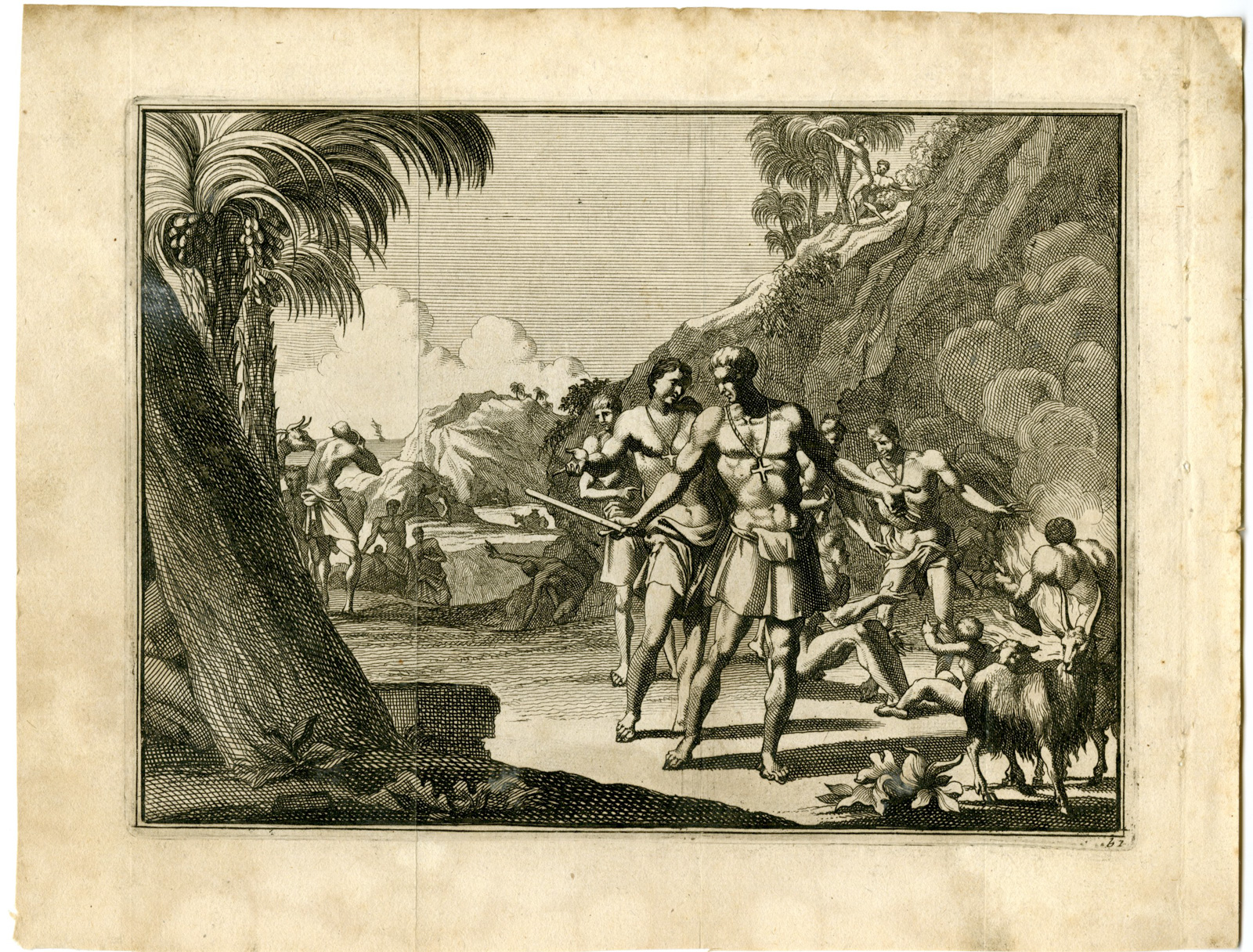
Antique Print-PORTUGUESE-VOYAGE-ARABIAN-PENINSULA-Goeree-Van der Aa-1706
$ 97.75
Nettoie en douceur et restaure le confort cutané des peaux desséchées et irritées par les traitements médicamenteux anti-acné.
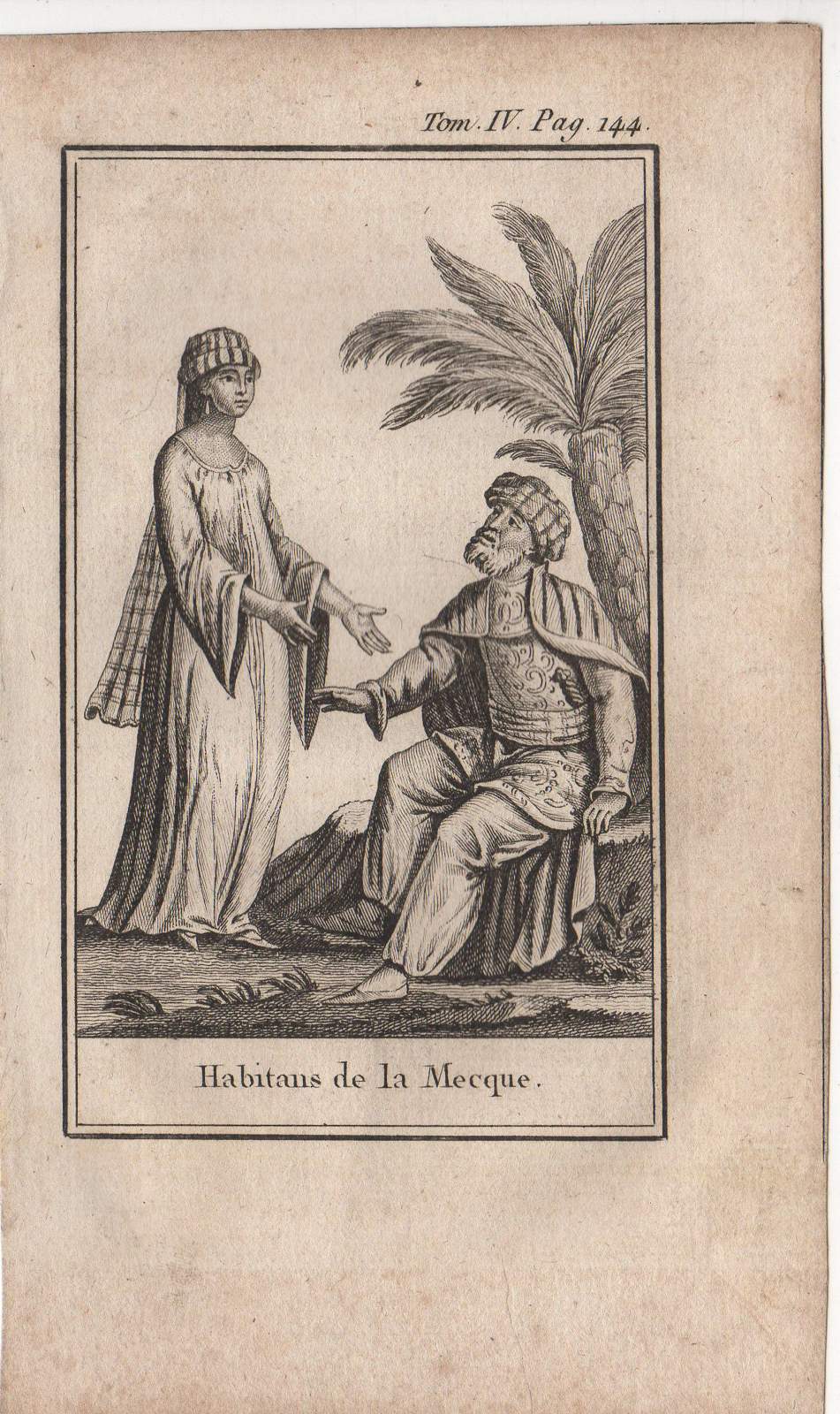
Antique Print-ETHNIC-MECCA-SAUDI ARABIA-TRADITIONAL CLOTHES-Blanchard-1806
$ 61.74
Nourrit, hydrate* et protège votre peau des agressions extérieures.
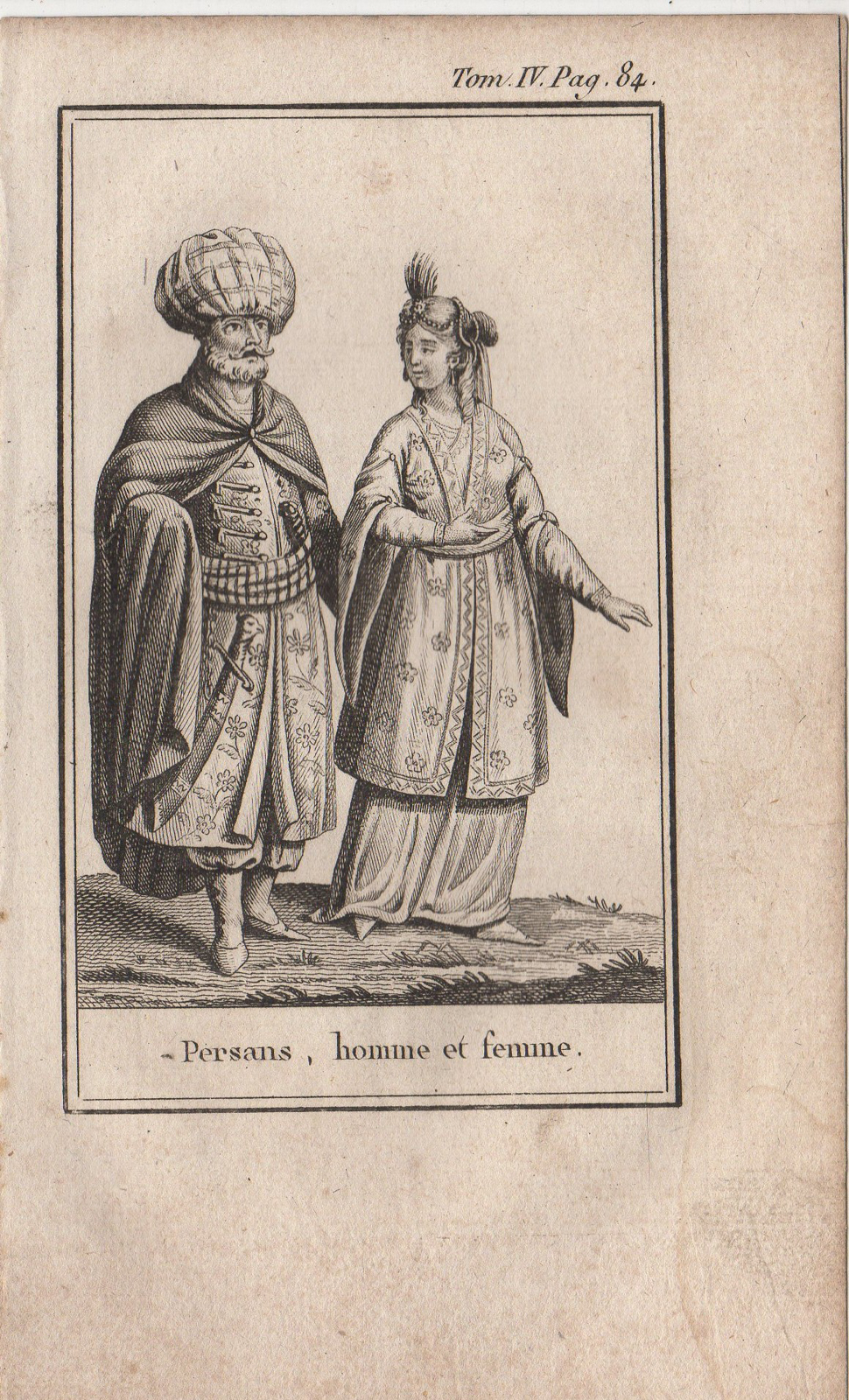
Antique Print-ETHNIC-PERSIA-IRAN-TRADITIONAL CLOTHES-MAN AND WIFE-Blanchard-1806
$ 46.30
Teen Derm Gel sensitive apporte à votre peau sensible une hygiène douce et parfaite grâce à l’action purifiante et apaisante de ses 5 actifs.

The Broken Circle: A Memoir of Escaping Afghanistan
$ 16.19
Démaquille, nettoie (même les particules de pollution) et apaise en un seul geste le visage, les yeux et les lèvres. Apporte douceur et fraîcheur en un geste simple et rapide.
Sceptics of Islam: Revisionist Religion, Agnosticism and Disbelief in the Modern Arab World
$ 16.19
Soin apaisant relipidant qui restaure le confort cutané des peaux desséchées et irritées par un traitement médicamenteux anti-acnéique.
Imperial Control in Cyprus: Education and Political Manipulation in the British Empire
$ 10.80
Soin matifiant sébo-réducteur et hydratant longue-durée des peaux grasses et brillantes.
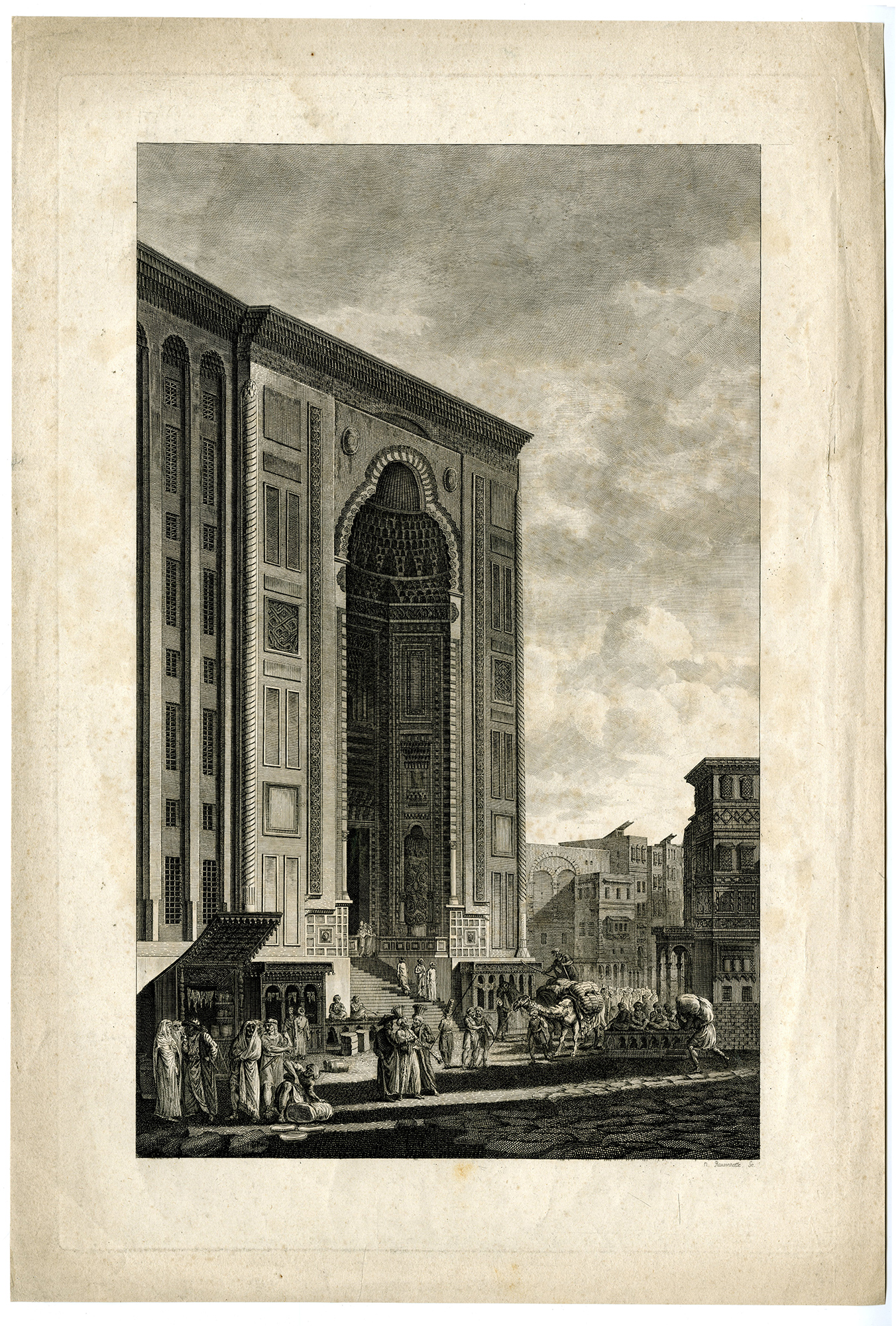
Antique Master Print-MOSQUE-HASSAN-CAIRE-STREET VIEW-Benoist-Cassas-c.1799
$ 95.70
Soin nuit correcteur anti-imperfections et anti-marques des peaux adultes à imperfections
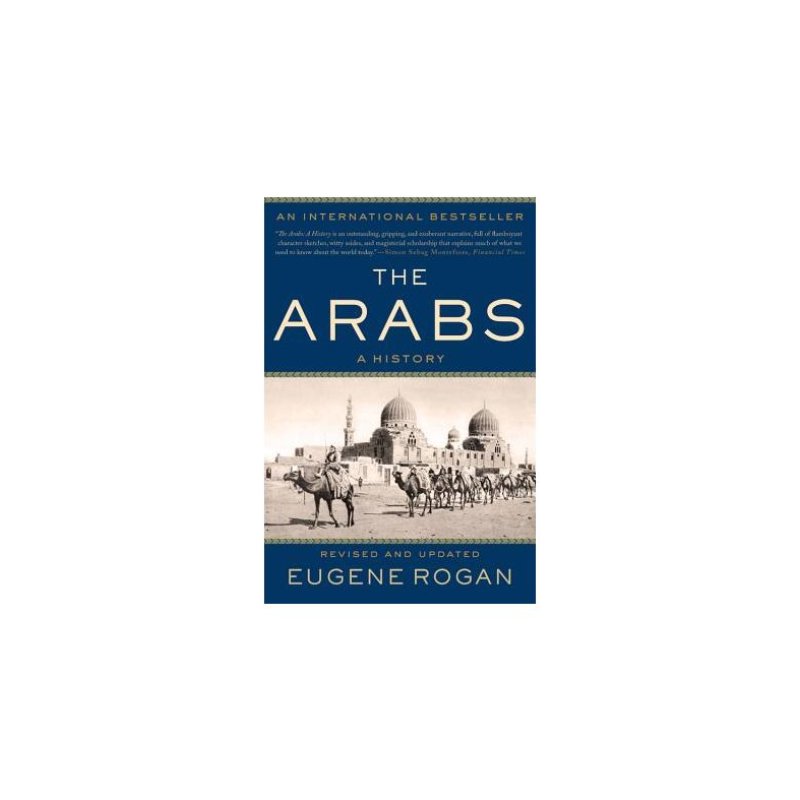
The Arabs: A History
$ 16.19
Cleanance Gel nettoyant est spécialement formulé pour assurer une hygiène quotidienne efficace des peaux sensibles grasses, sujettes aux imperfections ou à tendance acnéique, aussi bien pour le visage que pour le corps. Sa texture gel offre une action nettoyante profonde, purifiante et matifiante, aidant à éliminer les impuretés tout en régulant l’excès de sébum. Ce gel laisse la peau propre, fraîche et parfaitement préparée pour les soins suivants.
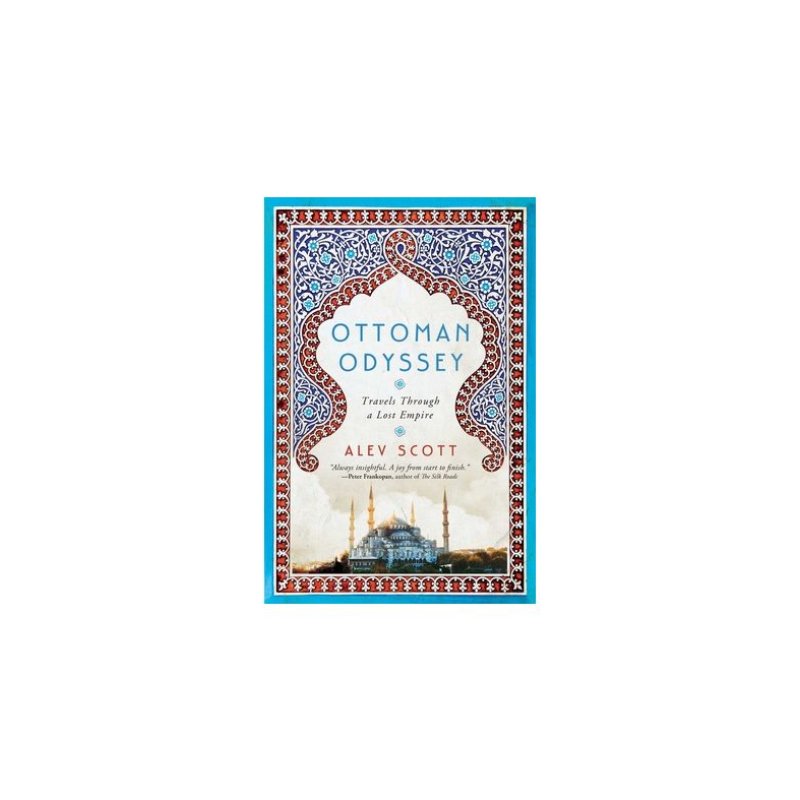
Ottoman Odyssey: Travels Through a Lost Empire
$ 16.19
HYSÉAC Gel Nettoyant élimine impuretés et excès de sébum, tout en respectant parfaitement l’épiderme. Sa haute rinçabilité, son aspect moussant au contact de l’eau et son léger parfum caractéristique de la gamme Hyséac en font un produit très agréable à utiliser au quotidien. La peau est plus nette, plus saine, plus fraîche.